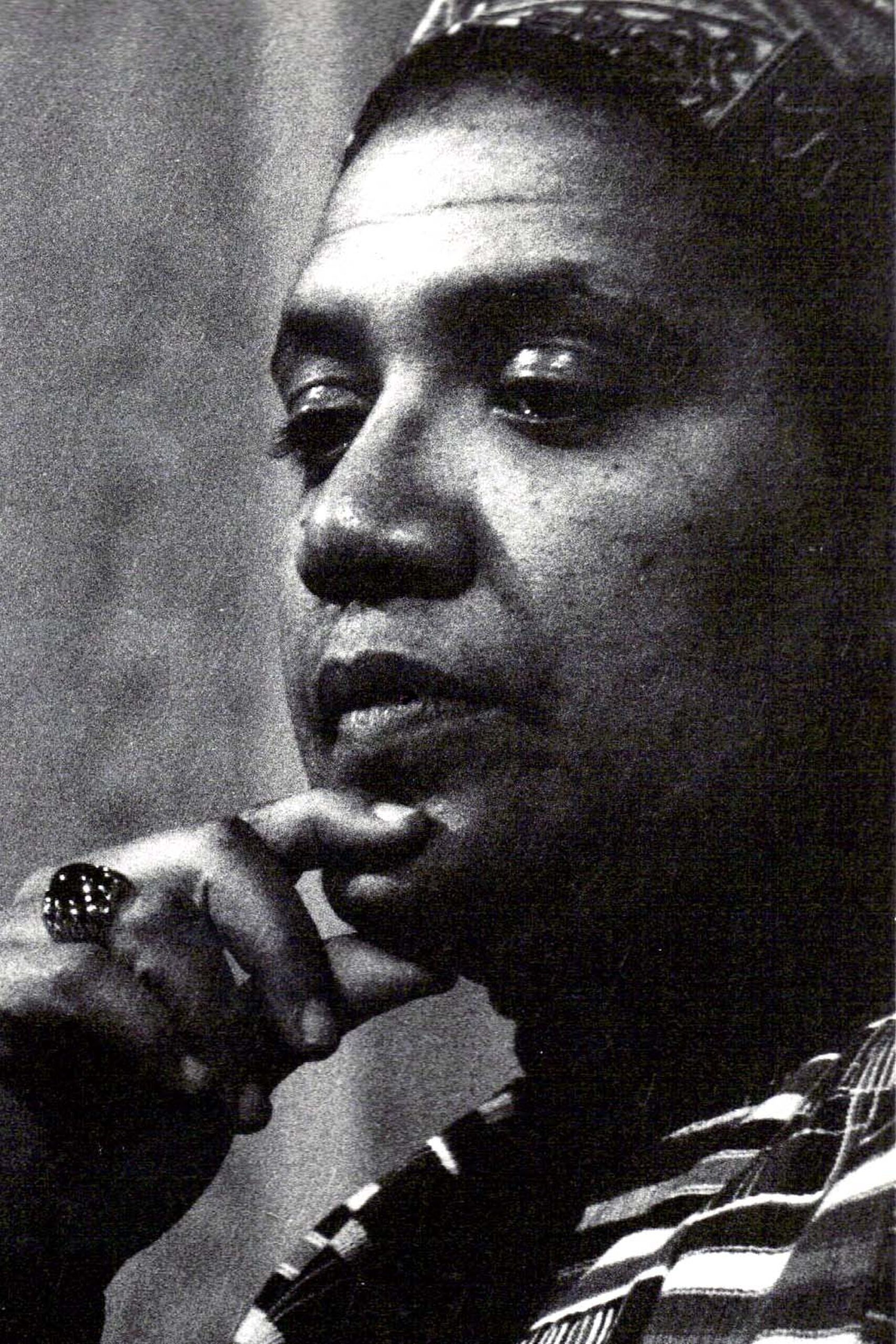
Imagine describing yourself to a stranger. You might say you are a teacher, a parent, or a writer. Now, imagine using five heavy words to define your entire existence. Audre Lorde did just that. She famously introduced herself as a Black, lesbian, mother, warrior, poet. She refused to pick just one label. She knew that all these parts of her made her who she was.
For many people, trying to fit into society means staying quiet. We often hide the parts of ourselves that make others uncomfortable. Audre Lorde did the opposite. She used her writing to shout about the things people wanted to ignore. She wrote about racism, sexism, and homophobia. She also wrote about love, illness, and joy.
Her life was not just about writing poems. It was about advocacy. She taught us that speaking up is the only way to survive.
Finding Her Voice in a Quiet World
Audre Lorde was born in New York City in 1934. She grew up in a time when strict rules told people how to behave. Her parents were immigrants from Grenada. She often felt like an outsider, even in her own home. She had very poor vision and was severely nearsighted. As a child, she struggled to speak conversationally. Instead of just talking, she often communicated by memorizing and reciting poetry. When she finally learned to write her own words, she found her power.
In her book Zami: A New Spelling of My Name (1982), Lorde created a new way to tell a life story. She called it a biomythography. This fancy word simply means she mixed real history with legend and story. In this book, she explored what it meant to grow up in Harlem and discover who she was.
Her early poetry collections showed her growth. The First Cities came out in 1968. It was gentle and personal. By 1970, when she published Cables to Rage, her tone changed. She started writing about being a mother and her anger at the world. She realized that poetry could be a weapon for justice.
Fighting for All Parts of Identity
During the 1960s and 70s, many social movements were happening at once. There was the Civil Rights movement fighting for racial justice. There was the feminist movement fighting for women’s rights. But Lorde noticed a problem.
The feminist movement was mostly led by white women who did not understand racism. The Black Power Movement was mostly led by men who often ignored sexism. As a Black woman and a lesbian, Lorde felt left out of both groups. She refused to choose between fighting for her race or her gender. She wanted to fight for both.
In her collection Coal (1976), she celebrated her blackness. She used the image of coal turning into a diamond to show the pressure and beauty of Black identity. In The Black Unicorn (1978), she went even deeper. She used African myths to talk about the strength of women.
Scholars have studied this deeply. In the paper Intersectionality in Audre Lorde’s “A Woman Speaks” and “Coal”, researchers look at how she mixed these identities. She taught us that we do not live single issue lives. We face many battles at once.
Breaking the Silence on Illness
In the late 1970s, Lorde faced a new enemy. She was diagnosed with breast cancer in 1978. At that time, people did not talk openly about cancer. It was a secret shame. Women were expected to hide their scars and wear fake breasts to look normal.
Lorde refused. She wrote The Cancer Journals in 1980. This was a groundbreaking book. She wrote about her fear, her pain, and her decision to not wear a prosthesis. She wanted people to see the reality of the disease. She argued that hiding the physical evidence of cancer was a way of keeping women silent.
The statistics from that era show why her voice was so important. In the mid to late 1970s, the five year survival rate for breast cancer was approximately 75 percent. Today, thanks to awareness and better medicine, it is over 90 percent. However, the gap between survival rates for Black women and white women remains a serious issue. Lorde wrote about these gaps in care decades ago.
She continued this theme in A Burst of Light (1988). In this collection of essays, she famously wrote that caring for herself was not self indulgence. She called it an act of political warfare. She meant that for Black women, just staying alive and healthy in a system that oppressed them was a revolutionary act.
Changing How We Fight
One of Lorde’s most famous ideas comes from a speech she gave in 1979, which was later published in her book Sister Outsider (1984). She stated that the master’s tools will never dismantle the master’s house.
This means you cannot use the same unfair systems to fix the problems that those systems created. You cannot use oppression to end oppression. You need new tools. You need creativity, love, and community.
In the academic paper The Legacy of Audre Lorde and Contemporary Feminist Theory, scholars explain how this idea changed feminism. It made people realize they had to include the voices of poor women, Black women, and lesbians to truly create change.
Jack Turner, in his paper Audre Lorde’s Anti-Imperial Consciousness, points out that Lorde looked beyond the United States. She criticized how powerful countries controlled smaller ones. She saw the connections between a woman being silenced in New York and people being oppressed in other parts of the world. She wanted everyone to be free.
A Legacy That Still Speaks
Audre Lorde passed away in 1992, but her words are still very much alive. In 2017, a posthumous collection called Your Silence Will Not Protect You was released. The title says it all. Staying quiet will not keep you safe.
She left behind a massive body of work including:
- Over 10 major books of poetry and essays
- Countless speeches given at universities and protests
- A legacy that influenced thousands of writers and activists
Her work asks us difficult questions. Are you doing your work? Are you speaking your truth?
Lorde taught us that our differences should not divide us. Instead, they should be a source of strength. She showed that anger is a useful tool if we focus it on change. She proved that poetry is not a luxury. It is a vital way to share our dreams and demand a better world.
If you ever feel too scared to speak up, remember Audre Lorde. She was afraid too. But she spoke anyway. And because she did, the world is a little bit freer.