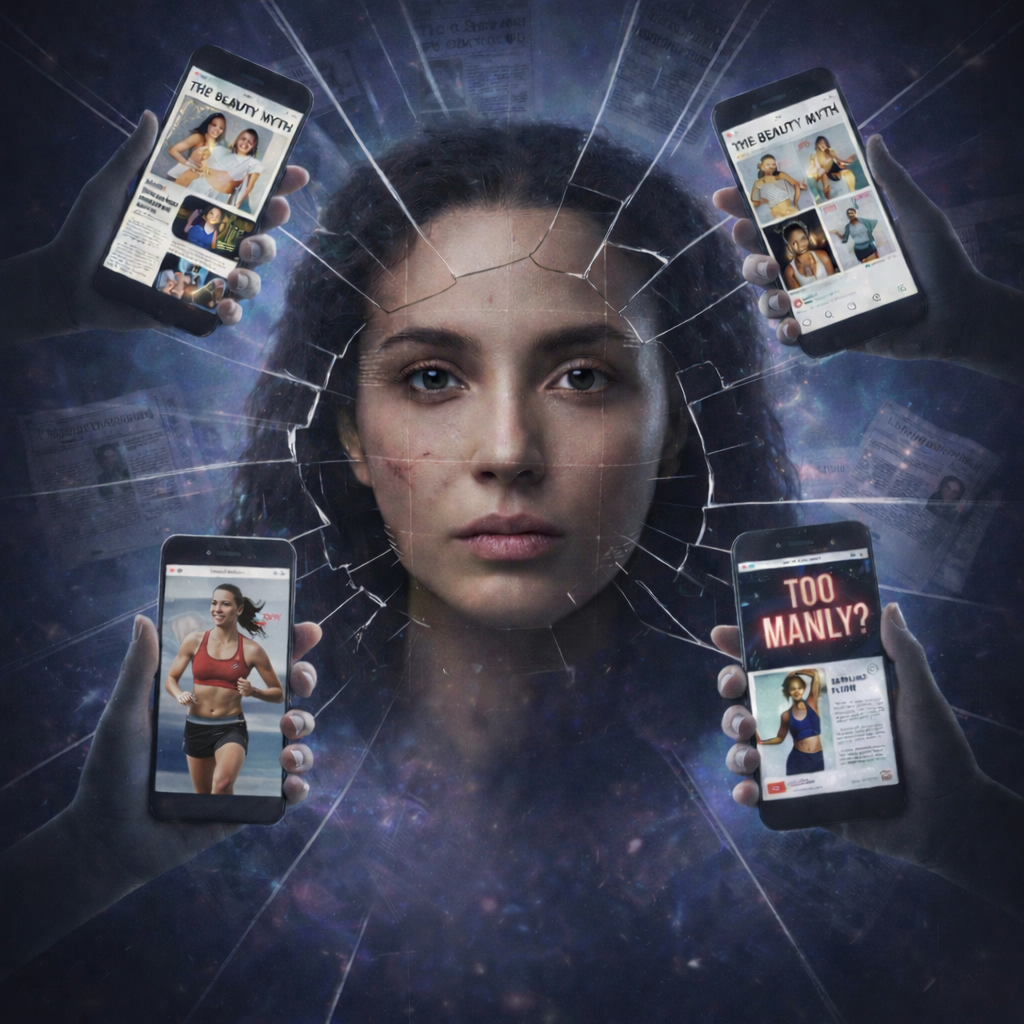
Have you ever stopped to think about why we feel the way we do about our looks? We often treat beauty as a personal goal or a hobby. We think of it as something we choose. But what if it is actually a tool used against us? This is not just about feeling bad when we look in the mirror. It is about how society uses these standards to keep people in their place.
When we look closely, we see that beauty standards are not random. They are strict rules that reward some people and punish others. This is what we call the weaponization of beauty. It turns our own bodies into battlegrounds.
It Is Not Just About Looks
We need to understand that this issue goes deeper than magazine covers. In his work on Aesthetic Injustice, philosopher Dominic McIver Lopes creates a clear picture of what is happening. He distinguishes between simple unfairness and weaponized aesthetics. This means that the way we judge looks is not just a matter of taste. It is a system that actively harms people’s social standing and ability to succeed.
Think about it. When we judge someone’s value based on their appearance, we are participating in a system that ignores their skills and character. This stops being a personal preference and starts being a social trap.
The Historical Trap
This is not a new problem. In the early 1990s, authors like Naomi Wolf and Susan Bordo began to expose these mechanics.
Naomi Wolf, in her famous book The Beauty Myth, argues that as women gained more legal and economic power, the pressure to be “beautiful” got heavier. She famously said that a culture obsessed with female thinness is not actually obsessed with beauty. It is obsessed with female obedience.
Wolf suggests that dieting acts as a “political sedative.” If you are hungry and counting calories all day, you have less energy to fight for your rights or advance your career.
Susan Bordo adds another layer to this in Unbearable Weight. She explains that we treat our bodies like a “text” that culture writes on. We try to control our bodies to feel safe, but that very need for control often leads to eating disorders and distress. Bordo points out that we are taught to see our natural hunger and desire as enemies we must defeat.
Who Gets Hurt the Most?
While these standards hurt almost everyone, they do not hurt everyone equally. The weaponization of beauty is often used to target specific groups.
A powerful article in Psychiatric Times by Dr. Wilsa M.S. Charles Malveaux sheds light on this, specifically regarding Black women in sports. She discusses how European beauty standards are used to diminish the achievements of Black female athletes.
Dr. Malveaux shares the story of athletes who face criticism not for their performance, but for their bodies. Tennis player Sasha Exeter, for example, recalled being told she looked “manly” or “overdeveloped.” She was made to feel that her strong, athletic body was incorrect because it did not fit a fragile, thin ideal.
This is a perfect example of weaponization. These women are at the top of their game, yet they are told they are failing because of how they look. Dr. Malveaux notes a chilling reality:”You cannot outperform your own self-image“. If society constantly tears down your self-image, it limits your potential.
The Digital Battlefield
Today, this battle has moved to our phones. A study published in Jurnal Evolusi (2021) by Mohd Termizi and colleagues looked at the link between social media and body dissatisfaction.
They found a direct connection between peer pressure on these platforms and how bad users felt about themselves. It is no longer just celebrities making us feel inadequate. It is our friends and peers, filtered and edited to perfection.
Here is what the data tells us:
- Comparing yourself to others on social media leads to lower self-esteem.
- The pressure to match these digital images causes real psychological distress.
- Marketers use this insecurity to sell products, profiting from the pain they help create.
Disarming the Weapon
So, how do we fight back? If beauty is a weapon, we need to disarm it. We can start by changing how we talk and think.
- Recognize the Source: When you feel bad about your looks, ask yourself who benefits from that feeling. Is it a company selling a cream? Is it a social standard that wants you to be smaller and quieter?
- Change the Conversation: Stop commenting on people’s bodies, even if you think it is a compliment. Focus on what people do, not how they appear.
- Support Diversity: Actively seek out media and art that celebrates different types of bodies. This breaks the “aesthetic injustice” that Lopes warns us about.
We must realize that our bodies are vehicles for our lives, not ornaments for others to judge. By rejecting these strict standards, we do not just feel better about ourselves. We take back our power.