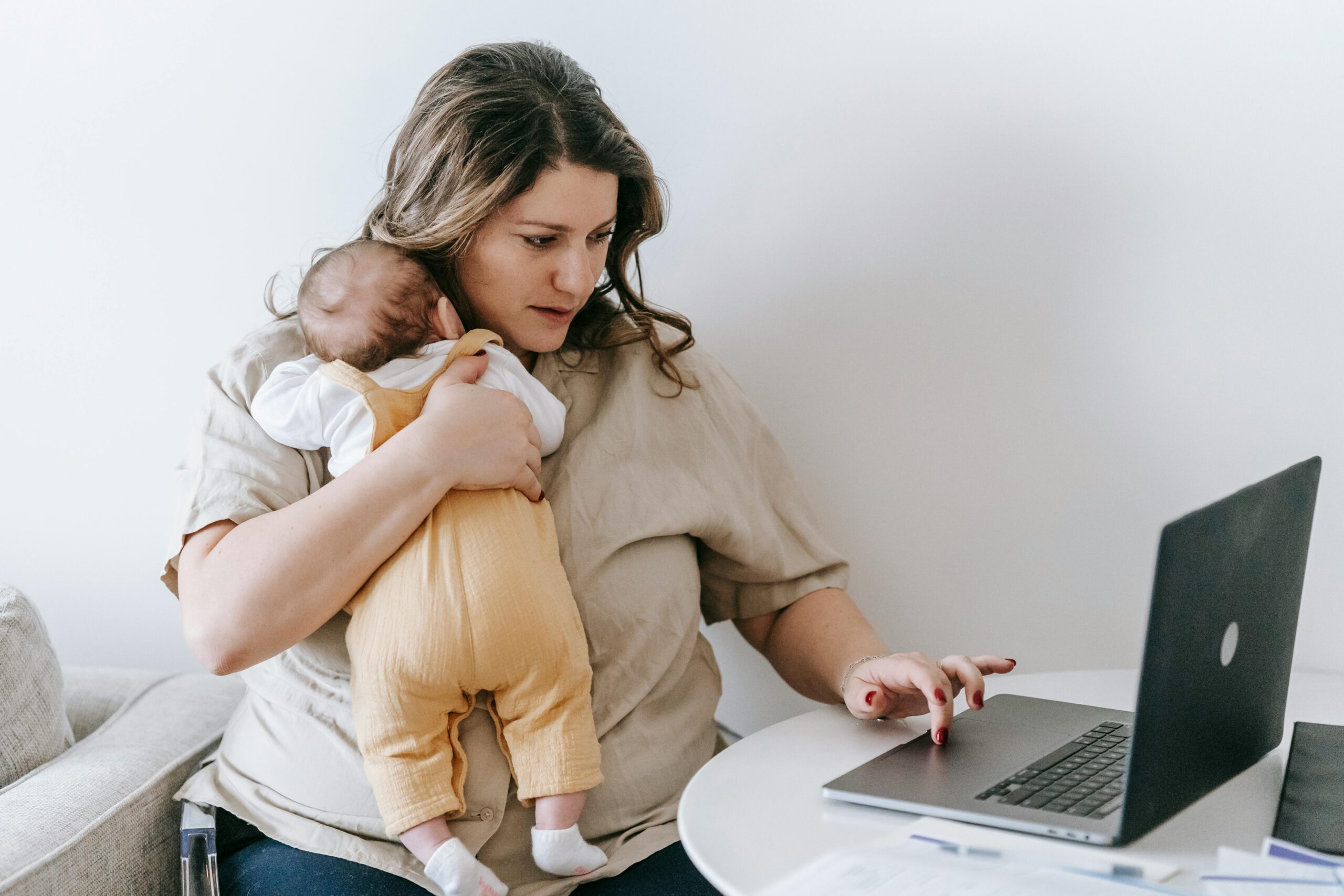
Imagine you are at work. You have a full list of tasks to complete. But on top of those tasks, you also have to make sure everyone else feels good. You have to smile at a rude customer to keep them calm. You have to listen to a coworker vent so the team stays bonded. You have to word your emails carefully so you do not sound too bossy.
Now imagine you go home. You are not just cooking dinner. You are worrying if everyone will like the food. You are remembering that your partner needs to call their mother. You are sensing that your child had a bad day and needs a long talk.
This is not just being nice. This is work. Researchers call it emotional labor. It requires effort, skill, and energy. Yet, it often goes unnoticed and unpaid. For many women, this extra work acts like a hidden tax. It drains their time and mental health while often holding them back in their careers.
What Is Emotional Labor
Emotional labor is the act of managing your own feelings and expressions to help others or achieve a goal. In a job setting, this might mean a flight attendant smiling even when tired, or a leader suppressing their frustration to keep morale high.
There are two main ways people do this. One is called surface acting. This is when you fake a smile or hide your anger without changing how you actually feel inside. The other is deep acting. This is when you try to actually change your inner feelings to match what is needed, like forcing yourself to feel empathy for a difficult client.
While everyone does this to some extent, research shows a clear divide. Studies involving health professionals found that women use these strategies more than men. For example, in a study of bank tellers, female employees were significantly more likely to fake emotions and hide their true feelings compared to their male coworkers.
The Double Standard in Leadership
You might think that reaching a position of power would free women from this burden. However, research suggests the opposite often happens. When women gain power, they face even more pressure to cater to the emotions of others.
Society holds different standards for men and women leaders. Men are often expected to be dominant and assertive. Women are expected to be caring and kind. If a female leader acts too dominant, she faces backlash. People might see her as cold or hostile. To avoid this penalty, many powerful women feel they must wield their power with a velvet glove. They have to work harder to be seen as legitimate authorities.
This creates a difficult balancing act. Women leaders must be competent and tough, but also warm and accommodating. They spend extra time building relationships and tending to the morale of their teams. A study of over 65,000 employees found that female managers were more likely than male managers to provide emotional support to their teams and help them navigate work life challenges.
There is also a phenomenon known as the glass cliff. Because women are seen as better at managing emotions, they are often appointed to leadership roles during times of crisis. These roles are risky and precarious. If they fail, it can hurt the prospects of other women in the future.
The Cost to Health and Well Being
This constant effort takes a toll. Managing emotions is not free. It uses up cognitive resources. When employees have to fake feelings or hide stress for long periods, it hurts their health.
Research on health professionals shows a link between emotional labor and negative outcomes like anxiety, depression, and poor sleep. When workers feel a disconnect between their true feelings and the face they show the world, it leads to emotional exhaustion.
In a study of healthcare workers, emotional exhaustion was found to be a key factor connecting emotional labor to poor physical and mental health. The study found that higher levels of surface acting (faking it) were associated with higher anxiety. Since women often face higher demands to perform this labor, they carry a heavier burden of these health risks.
The Invisible Work at Home
The emotional labor tax does not end when the workday is done. It follows women home. In relationships, women often do more of the work to keep the partnership strong. They monitor the emotional climate and offer support.
This is often tied to mental labor. This is the thinking, planning, and organizing required to run a household. It is different from doing chores like washing dishes. It is the invisible work of remembering birthdays, anticipating that the milk is running out, or researching doctor appointments.
Studies show that women do the lion share of this anticipating and monitoring. Even when couples say they share duties, women are often the ones responsible for the management of those duties. They are the ones who worry about the details.
This dynamic can create an odd imbalance. Research on couples found that when men perform more emotional work, they experience lower volatility in their feelings of love and commitment. They effectively get a bonus for doing what is expected of women. However, when women do high levels of this work, men sometimes report higher volatility in their commitment. This suggests that unequal emotional loads can complicate relationship dynamics rather than smooth them out.
Why We Need to Value This Work
The problem is not that emotional labor is bad. In fact, it is valuable. It helps organizations run smoothly and keeps families connected. Leaders who use these skills often have happier teams.
The problem is that it is expected of women for free, while men are often praised for it. Women are assumed to be naturally good at it, so their effort is invisible. When a male leader shows empathy, he is seen as exceptional. When a female leader does it, she is just doing her job.
This unrecognized work traps women. It steers them toward lower status roles that emphasize care over strategy. It consumes time and energy that could be used for their own advancement or rest. In academia, for instance, female faculty perform significantly more uncompensated service work, like mentoring students, compared to their male colleagues.
Recognizing this tax is the first step toward removing it. We need to see emotional labor as a skill, not a gendered trait. We need to value the people who do the hard work of keeping everyone else afloat. Until we do, women will continue to pay a price for simply showing up.
Sources:
Heavier Lies Her Crown: Gendered Patterns of Leader Emotional Labor and Their Downstream Effects
Gender, Emotion Work, and Relationship Quality: A Daily Diary Study
Emotional Labor and Gender: A Study of Bank Tellers in Kashmir
Leave a Reply